Project Overview
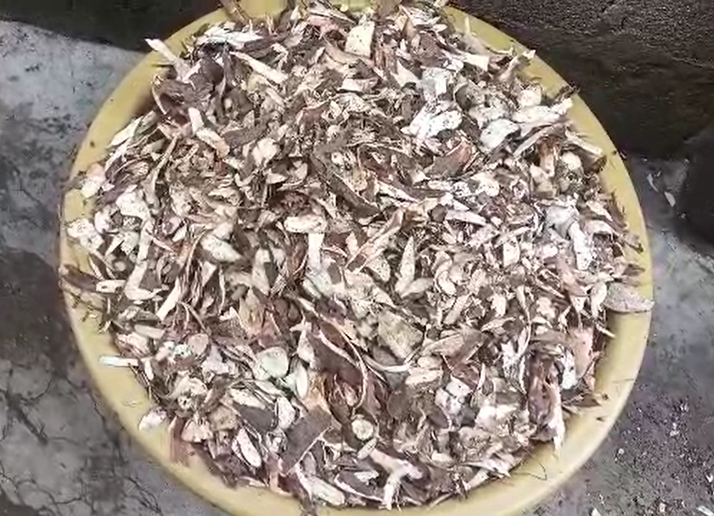
This research and development initiative explored the technical viability of producing bioethanol at laboratory scale using cassava peels—a highly abundant agro-waste material in Nigeria. With the country’s cassava output surpassing 59 million metric tons annually, the processing industry generates significant volumes of peels, which are traditionally discarded or burned, contributing to environmental degradation and lost economic value
This project applied enzymatic hydrolysis and yeast fermentation to convert cassava peels into high-purity bioethanol, while ensuring the process remained cost-effective and scalable. The protocol was designed to validate the potential for waste-to-energy transition, particularly for rural communities, where energy poverty is prevalent and sustainable fuel solutions are urgently needed.
The study also aligned with Nigeria’s strategic goals for energy diversification, climate resilience, and agricultural sustainability, by promoting a renewable energy pathway that repurposes waste without affecting food supply chains.
Project Location
Nasarawa, FCT
Status/Level of completion
75% of the objectives of the project have been achieved. M&E visit was done on 28th October, 2025 |